

5 Hidden Roof Problems That Get Worse During Hot Weather
There is something almost magical about a summer afternoon turning into a dramatic display of lightning and thunder. The air cools, the sky darkens, and rain finally breaks the heat. But while we often welcome the relief that Summer Storms bring, your roof experiences these events very differently. Between intense ultraviolet exposure during long sunny days and sudden bursts of heavy rain, hail, and wind, the summer season asks a lot of roofing materials. Understanding how these forces work together can help you protect your home and recognize trouble before it becomes an expensive emergency.
What makes summer storms so challenging for residential roofs?
The answer starts with temperature. During the hottest months, roofing materials expand under relentless sun. Shingles, flashing, and sealants all absorb that thermal energy. When a storm rolls in quickly, temperatures can drop dramatically in minutes. That rapid contraction, paired with driving rain and turbulent air, creates stress that weaker or aging materials may not withstand. Summer Storms do not just bring water; they bring abrupt change, and roofs do not always adapt gracefully.
How can wind damage appear after a severe weather event?
Wind does not need to reach tornado strength to cause harm. Strong gusts common in seasonal thunderstorms can lift shingle edges, break adhesive seals, or tear away sections entirely. Once the protective layer is compromised, moisture finds its way beneath the surface. You might notice shingles lying in the yard, but sometimes the damage is more subtle. Curled corners, creased tabs, or shingles that appear slightly misaligned can all signal that wind has disturbed the roof’s defense system. If you are curious about how experts measure wind damage potential in your region, government safety resources offer excellent guidance. If you see these signs, arranging a professional roof inspection is one of the smartest steps you can take before the next rainfall arrives.
Can hail really cause noticeable damage, or is it mostly cosmetic?
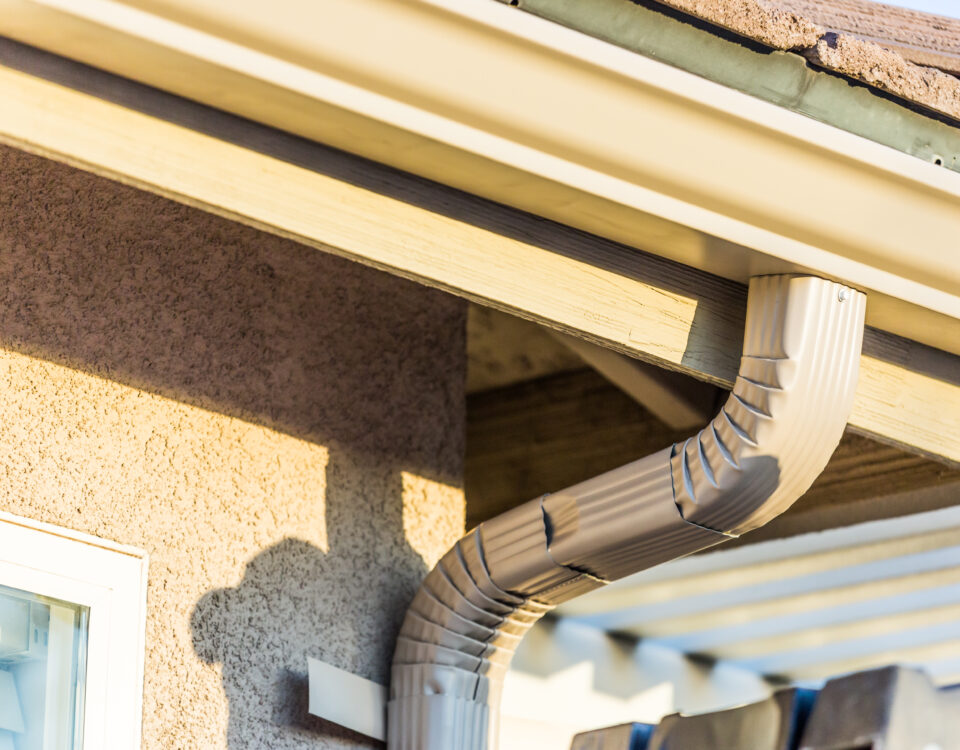
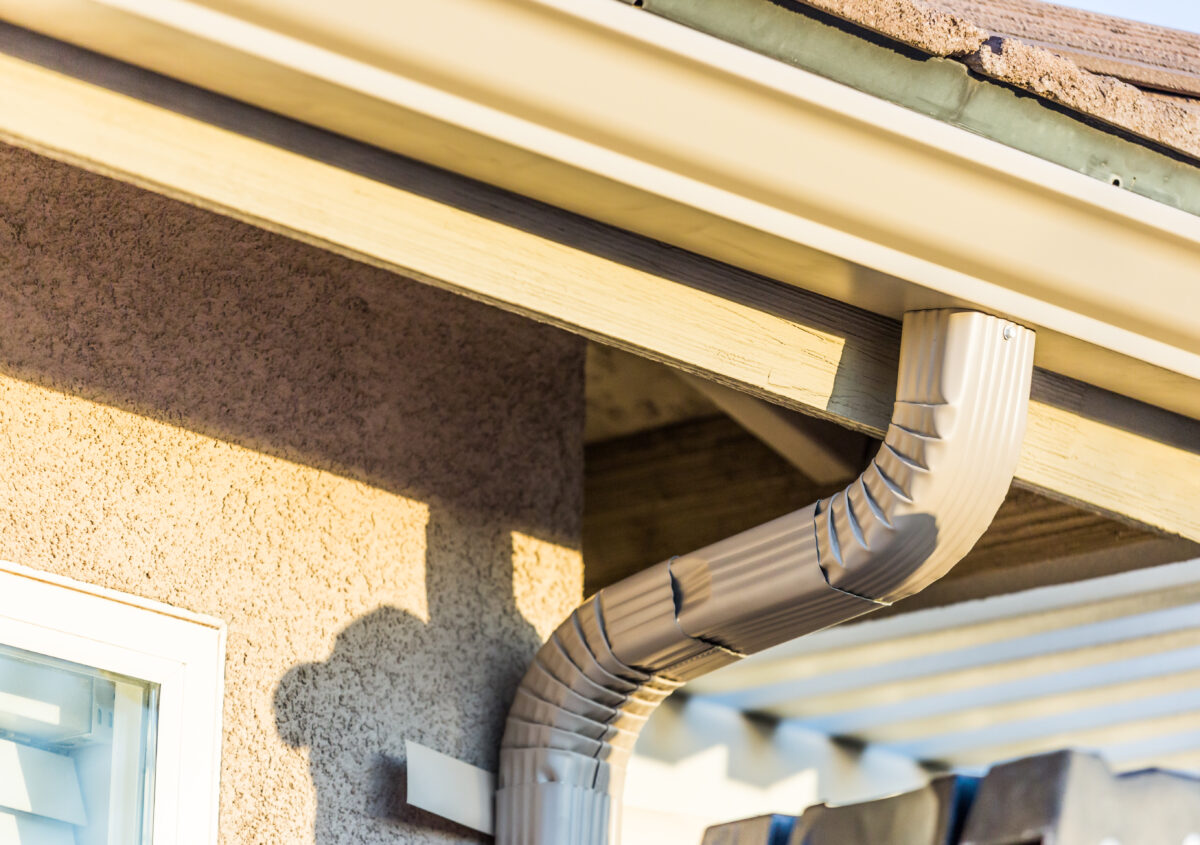
Hail is often underestimated because the marks can be small. Yet even modest hailstones traveling at high velocity can bruise the mat beneath asphalt shingles, crack tiles, or dent metal flashing and vents. The Asphalt Roofing Manufacturers Association explains that impact damage may not always be visible from the ground, but it can significantly shorten a roof’s lifespan. Over time, bruised areas allow water infiltration and accelerate deterioration. For deeper context on hail damage patterns and safety guidance, national weather resources provide valuable regional insight. After a hailstorm, walking the perimeter and checking for dimpled gutters or damaged downspouts can provide early clues that your roof deserves closer attention.
What should homeowners look for once the skies have cleared?
Start with a visual scan from a safe distance. Look for missing or displaced shingles, dark patches where granules have washed away, and any debris that may have scraped the surface. Inside the home, check ceilings and attic spaces for water stains, musty odors, or damp insulation. Flashing around chimneys, skylights, and valleys should sit flat and intact, not bent or separated. Remember that water damage often travels horizontally before it shows up on drywall, so even a small stain can point to a larger entry point above.
When does a homeowner need professional storm damage repair?
Not every storm requires immediate intervention, but delaying evaluation rarely saves money. If you suspect structural compromise, exposed underlayment, or widespread granule loss, it is time to call experienced professionals. Prompt storm damage repair prevents secondary issues like rot, mold growth, and interior ceiling damage. A trusted roofing team can document conditions for insurance purposes and recommend whether targeted fixes or broader restoration makes the most sense for your specific situation.
How can families prepare before summer storms arrive?
Prevention is always warmer and more reassuring than reaction. Keep trees trimmed back from the roofline so branches do not scrape or fall during high winds. Clean gutters and downspouts regularly so water flows away from the foundation rather than backing up under eaves. Most importantly, establish a relationship with a local roofing company before an emergency strikes. Knowing who to call removes stress when weather alerts begin to flash across your phone.
Summer Storms are part of life in many regions, but they do not have to become disasters for your home. By learning what damage looks like, understanding how wind and hail interact with roofing materials, and acting quickly when issues appear, you maintain both peace of mind and property value. Your roof works quietly every day to keep you safe. Giving it the attention it deserves after severe weather is one of the kindest and most practical things a homeowner can do.