
What Is Roof Flashing and Why Does It Matter?

Before You Buy the House, Look Up: What Is the Roof Trying to Tell You?
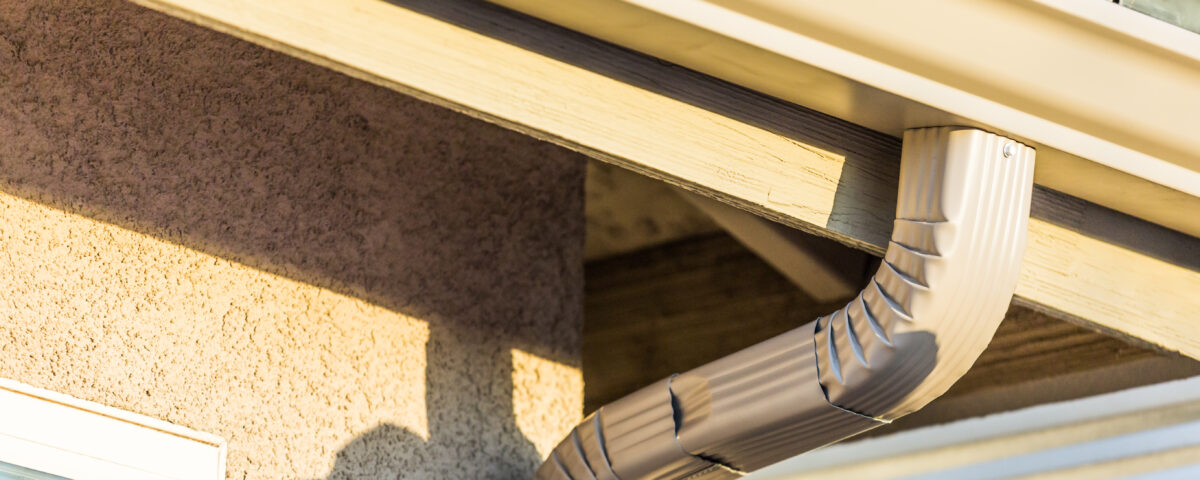
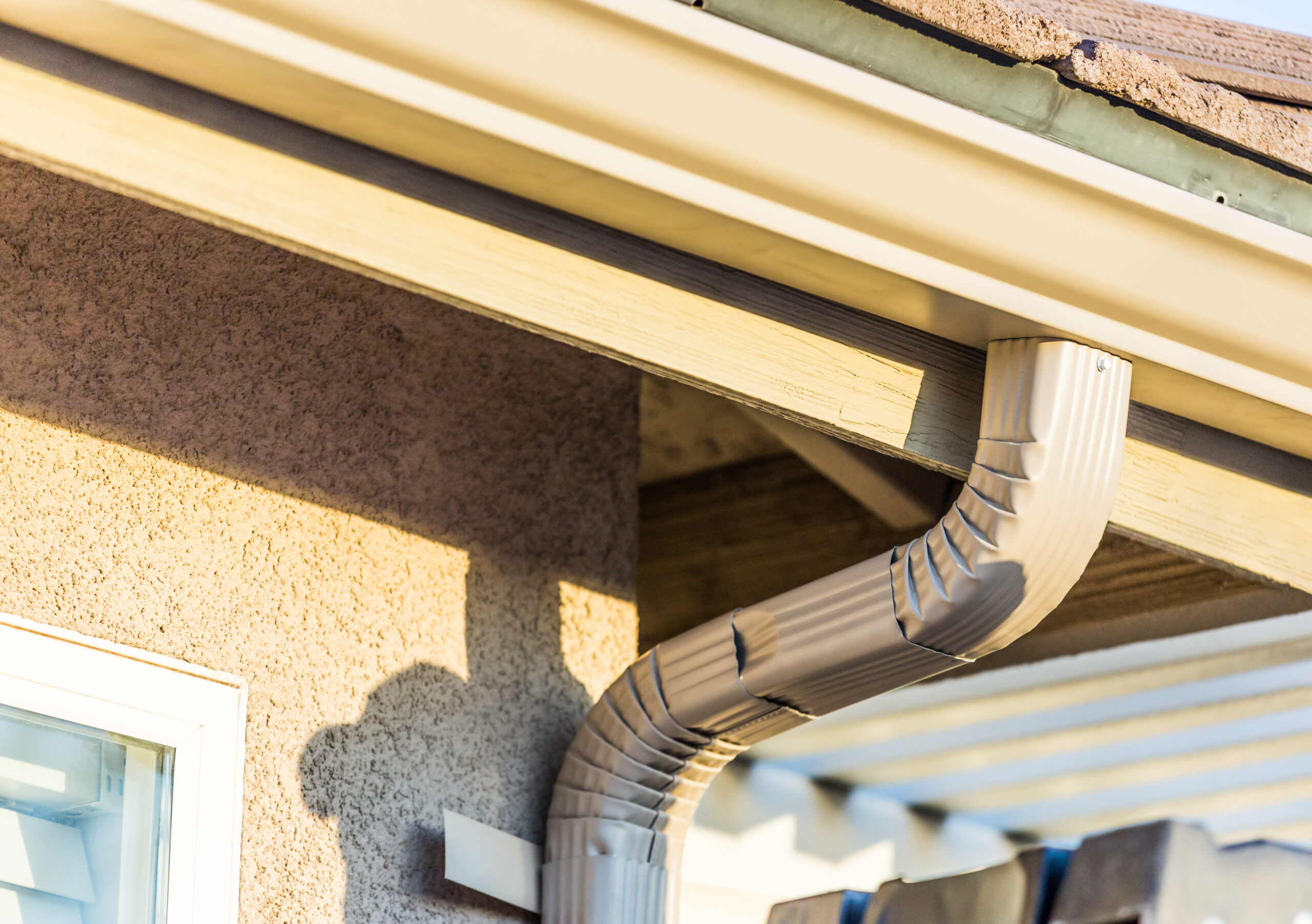
Gutters catch rainwater at the edge of your roof, then guide it through downspouts and away from the building. This steady flow helps keep water from soaking the fascia, siding, and soil near the foundation.
When gutters are clogged, loose, or too small, water can spill where it should not. The result may be roof-edge damage, washed-out soil, or damp areas near the base of the home. Here is why a sound gutter system matters.
How do gutters protect the roof?
Rain runs down the roof toward the eaves. Gutters collect that runoff before it pours over the edge. This helps limit repeated water contact with the fascia board and soffits.
If a gutter is clogged, water may back up against the roof edge. It can move beneath shingles or reach exposed wood. Over time, damp wood may soften or rot; paint may bubble and peel.
Good gutters cannot fix a worn roof, yet they help the roof shed water as planned. If you see loose shingles or signs of a leak, schedule a roof inspection as well.
How do gutters help protect the foundation?
A roof can shed a large amount of water during a hard rain. Without a working drainage system, that water lands near the building and soaks the soil.
Wet soil around a foundation can cause damp crawl spaces and other moisture concerns. Water may also wash away soil, leaving low areas where rain collects.
The U.S. Department of Energy’s Building Science Education site explains that gutters and downspouts should move roof runoff away from the foundation. The final setup must fit the property’s grade and local rules.
Your roof sheds the rain; your gutters control where that water goes next.
What are the signs of gutter trouble?
Watch how the system works during a light or steady rain, from a safe spot on the ground. Water spilling over the sides may point to a clog, poor slope, or a gutter that cannot handle the flow.
Sagging sections are another warning. Fasteners may have pulled away from the fascia, or wet debris may be adding too much weight. You might also see leaks at joints and water marks on the siding.
Check the ground near each downspout. Pooling water, soil erosion, or mud marks may mean runoff is leaving the system too close to the building.
Are seamless gutters a good choice?
Seamless gutters are formed to fit the building. With fewer joints along each run, there are fewer points where water may escape.
Gaston Roofing installs seamless residential and commercial gutters in 5-inch and 6-inch sizes. Several colors are available, so the finished system can suit the roof and exterior trim.
The right size depends on the roof area, pitch, and expected rainfall. A professional inspection can also find fascia damage that should be fixed before the new gutters are attached.
Do gutter guards remove the need for upkeep?
Gutter guards help keep leaves and larger debris out of the system. They can reduce clogs and cut down on frequent cleaning; they do not make the gutters care-free.
Small bits of dirt may still build up. Guards can also be blocked by heavy leaf cover. The system should be checked from time to time, with safe access and the right tools.
The EPA provides broad moisture-control guidance for roofs, foundations, and site drainage. Each part of the building should guide water away from spaces that need to stay dry.
When should gutters be repaired or replaced?
A small leak or loose fastener may be repaired if the rest of the system is sound. Widespread rust, bent sections, or repeat pulling from the fascia may make replacement the better choice.
Gaston Roofing can inspect the current setup, recommend the right size, and provide a clear quote. Once approved, seamless gutters can be formed on-site for a close fit.
Frequently Asked Questions
Why is water flowing behind my gutters?
The gutter may be loose, poorly placed, or clogged. Damaged roof-edge flashing may also let water move behind it.
Can new gutters be installed with a roof replacement?
Yes. Pairing both projects allows the roof edge and fascia to be checked before the new gutter system is fitted.
Are 6-inch gutters better than 5-inch gutters?
They can handle greater water flow, but larger is not always required. Roof size, slope, and drainage needs should guide the choice.