
How Do Gutters Protect Your Roof and Foundation?
What’s Really Under Your Shingles? A Look Inside Your Roofing System
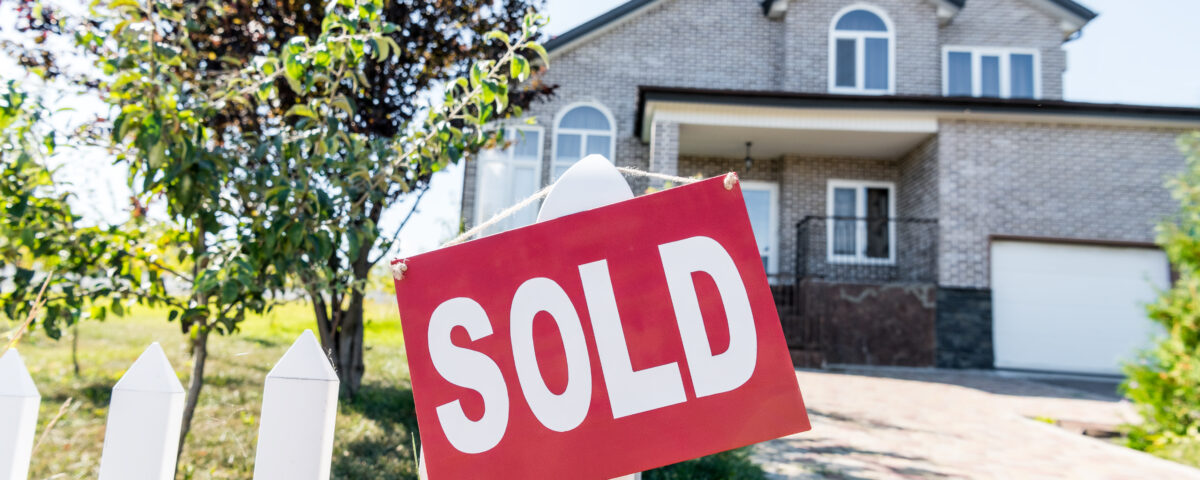
You found the house. The kitchen fits, the location works, and the yard feels right. Before you fall in love, look up. The roof may hold clues about future repair costs and the care the home has received.
A general home inspection is key, yet a roofing contractor can offer a closer look when the roof raises concern. Here is what buyers should know before closing on a home in Gastonia, Charlotte, or a nearby community.
Why should buyers pay close attention to the roof?
A roof helps keep rain out of the home and away from the structure below. When it begins to fail, damage may spread to the deck, attic, insulation, and indoor finishes.
Roof work can also shape a buyer’s near-term budget. If replacement may be needed soon, it is better to learn that before closing. The Consumer Financial Protection Bureau urges buyers to schedule an independent home inspection early enough to address major issues.
An inspection does not promise that every hidden flaw will be found. It does provide useful facts; those facts can help you ask sharper questions.
What roof warning signs can buyers see from the ground?
Start with the roofline. It should appear firm and even. A dip or sag may point to an issue beneath the outer surface.
Look for missing shingles, curled edges, worn patches, or metal panels that seem loose. Dark streaks may be surface growth; uneven color can also suggest past repairs.
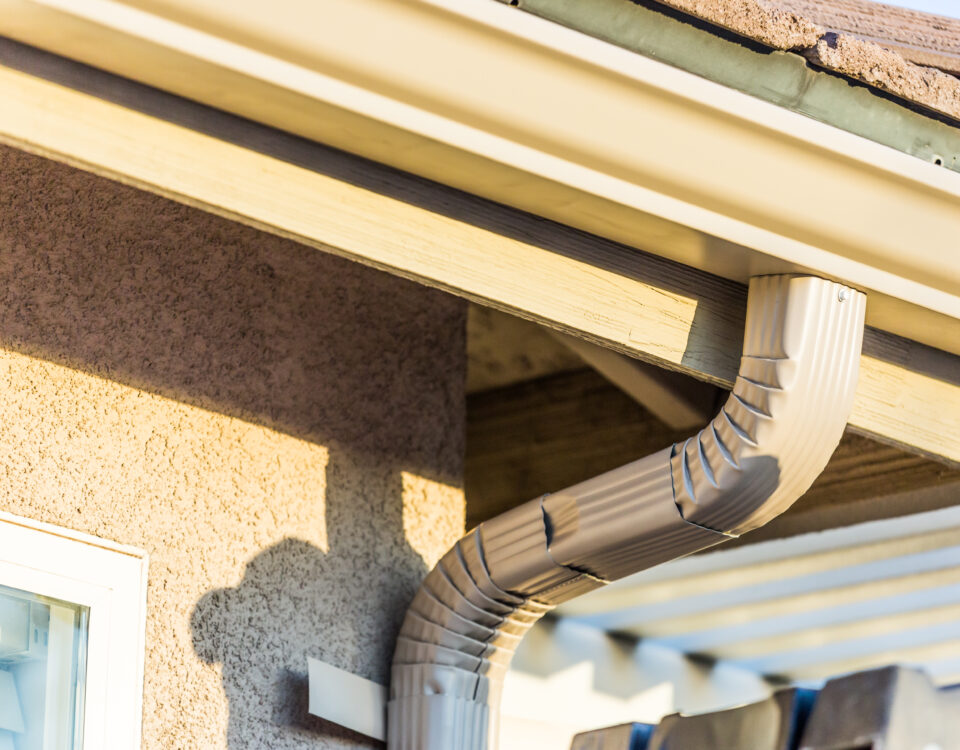
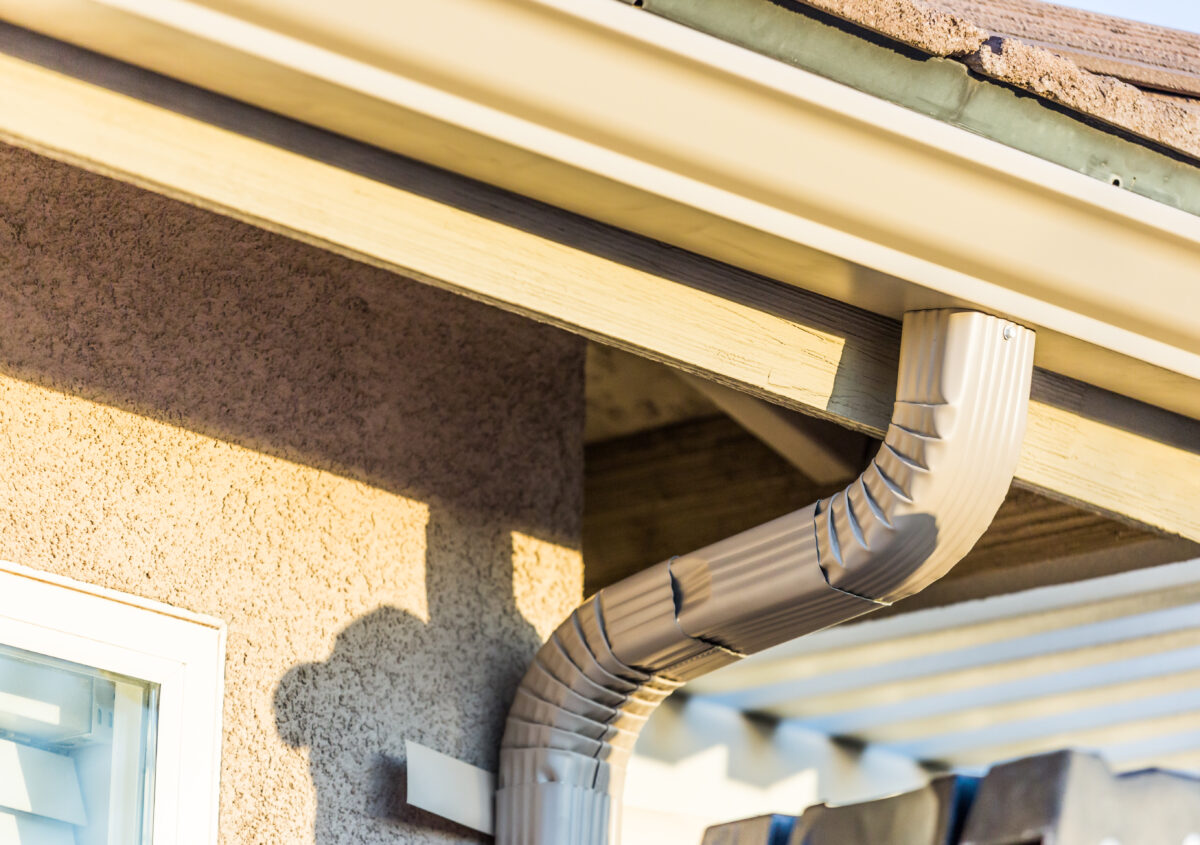
Check the gutters and downspouts. Sagging gutters or water marks on the fascia may show that runoff has not moved as planned. From inside, watch for ceiling stains and damp smells.
Fresh paint can cover a stain; it cannot fix the roof leak that caused it.
Is a home inspection the same as a roof inspection?
No. A home inspector reviews the full property, which includes the roof when it is safe and within the inspection scope. A roofer focuses on the roofing system and can provide a quote for needed work.
If the general report flags roof wear or an active leak, ask a qualified roofer to take a closer look. That review may include shingles or panels, flashing, vents, gutters, and visible decking.
HUD’s archived roof and attic guidance notes that roof conditions can often be checked from ground level or a safe access point. Buyers should avoid climbing onto the roof themselves.
What questions should buyers ask the seller?
Ask how old the roof is and whether the seller has proof of prior work. A receipt may show the material used and the date of installation.
You should also ask whether the roof has leaked and how the issue was fixed. A patch may have stopped one leak; it may not address wear across the rest of the roof.
If a warranty exists, find out whether it can transfer to a new owner. Review its terms instead of assuming coverage will continue after the sale.
Can roof findings affect the home purchase?
They can. Depending on the contract and local market, buyers may ask the seller to complete work or discuss a credit. Sellers may agree or decline; your real estate agent can explain the choices tied to your contract.
A written roofing quote gives each party a clearer sense of the scope. It can separate a small repair from a full replacement. Gaston Roofing explains how roof age and damage can shape the choice to repair or replace a roof.
When should a buyer call Gaston Roofing?
Call when the inspection report notes roof damage, the roof’s age is unclear, or you see signs of past leaks. Gaston Roofing offers free inspections and residential roofing services across the region.
The team can review the roof, explain its findings, and prepare a quote. You can then move toward closing with a clearer view of the home above you.
Frequently Asked Questions
Should I inspect the roof on a newly built home?
Yes. New materials can still have installation faults. An independent inspection offers an added check before closing.
Can a seller’s disclosure replace a roof inspection?
No. A disclosure reflects the seller’s knowledge; an inspection reviews visible conditions at the time of the visit.
What if the roof cannot be safely accessed?
The inspector or roofer may use ground-level views, attic checks, photos, or other safe methods. Access depends on roof pitch and weather.