
Should You Repair or Replace Your Roof? How to Know the Difference
Commercial and Residential Roofing Services: What Property Owners Should Know
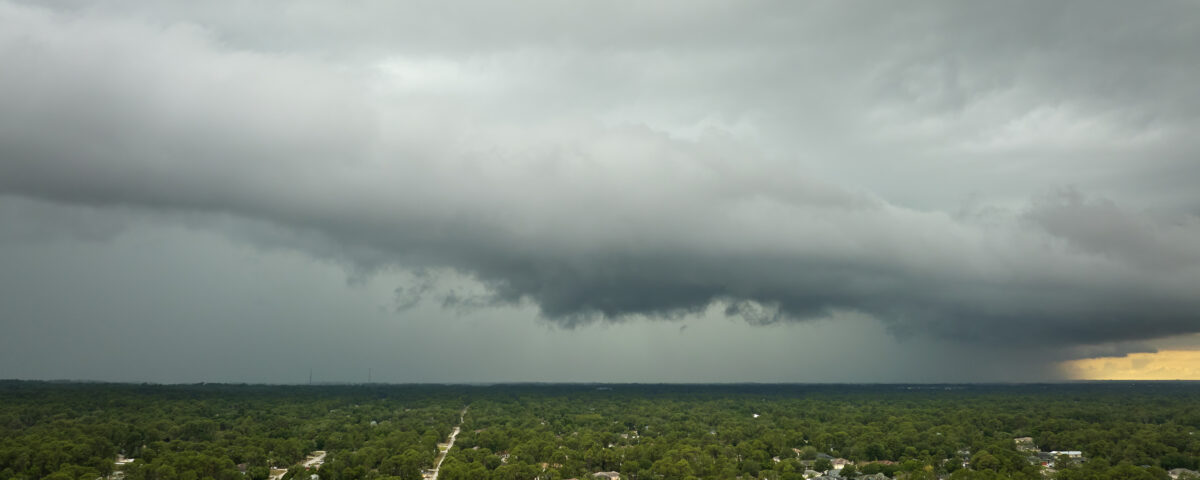
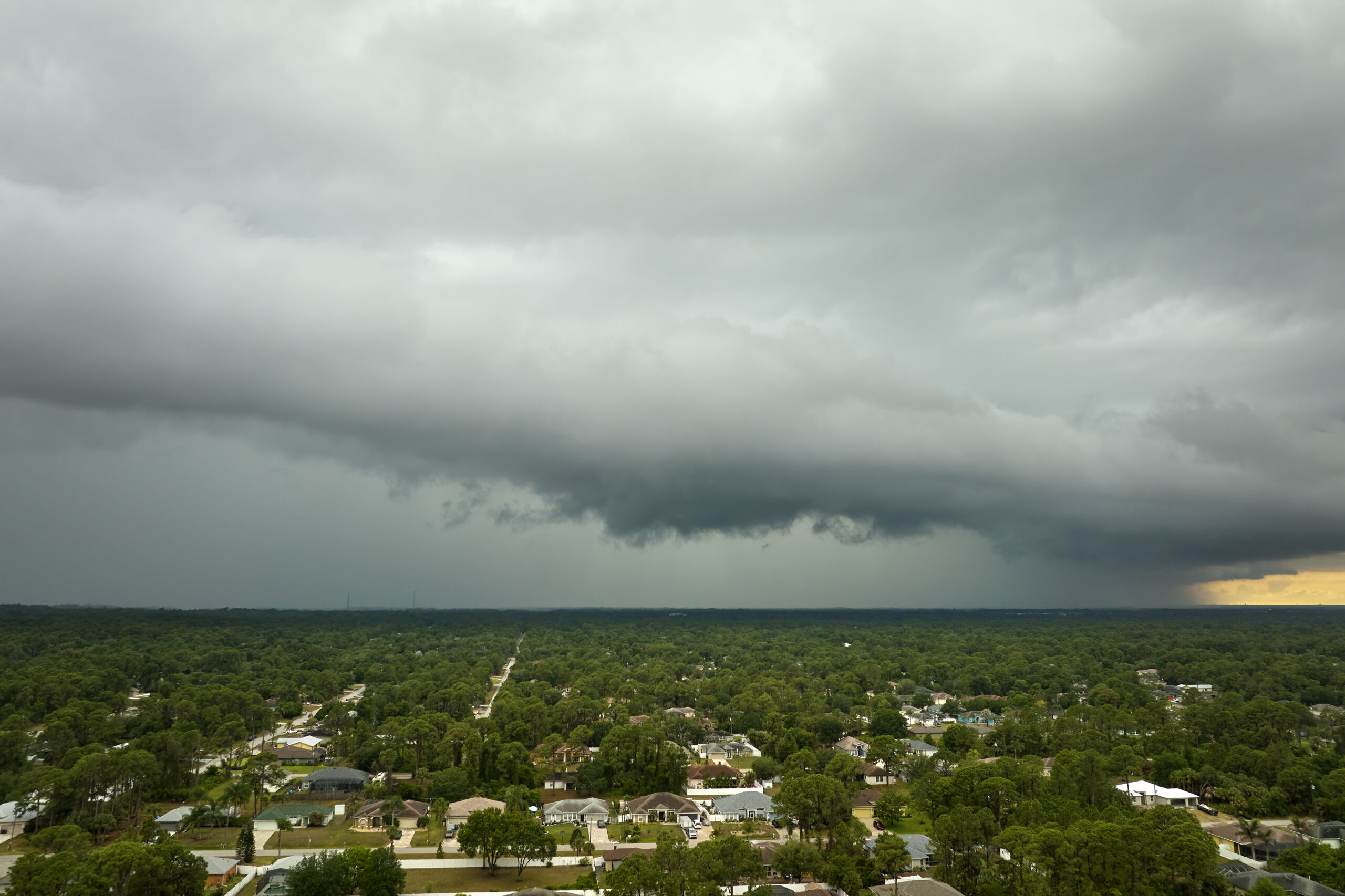
Hurricane season brings strong winds, heavy rain, and unpredictable weather that can put even a well-built roof to the test. Preparing your roof before severe storms arrive can help prevent costly damage, protect your home's interior, and give you peace of mind when the forecast takes a turn. If you're wondering whether your roof is ready for Hurricane Season, this homeowner's checklist answers the most common questions and explains how to stay one step ahead of the storm.
Why is it important to prepare your roof before Hurricane Season?
Your roof is your home's first line of defense against severe weather. During Hurricane Season, high winds can loosen shingles, heavy rain can expose hidden leaks, and flying debris can cause unexpected damage.
Taking time to inspect and maintain your roof before storms arrive can reduce the risk of water intrusion, structural damage, and expensive emergency repairs. Preventative maintenance is almost always less costly than dealing with storm damage after it happens.
What are the warning signs that your roof may not be ready?
Several signs may indicate your roof needs attention before Hurricane Season begins. Missing or damaged shingles, loose flashing around chimneys or vents, sagging areas, clogged gutters, and visible water stains inside your home can all point to underlying roofing issues.
Even if your roof appears to be in good condition from the ground, hidden damage isn't always visible. Scheduling a professional roof inspection can help identify problems before severe weather makes them worse.
Should homeowners inspect their roof every year?
Yes. Annual roof inspections are one of the best ways to protect your investment, especially in areas that experience severe weather.
A roofing professional can check for worn shingles, damaged sealants, loose flashing, ventilation issues, and areas where water may enter your home. Identifying these concerns early allows for repairs before Hurricane Season brings additional stress to your roofing system.
Regular inspections also help extend the lifespan of your roof while reducing the likelihood of unexpected repairs.
How can gutters affect your roof during Hurricane Season?
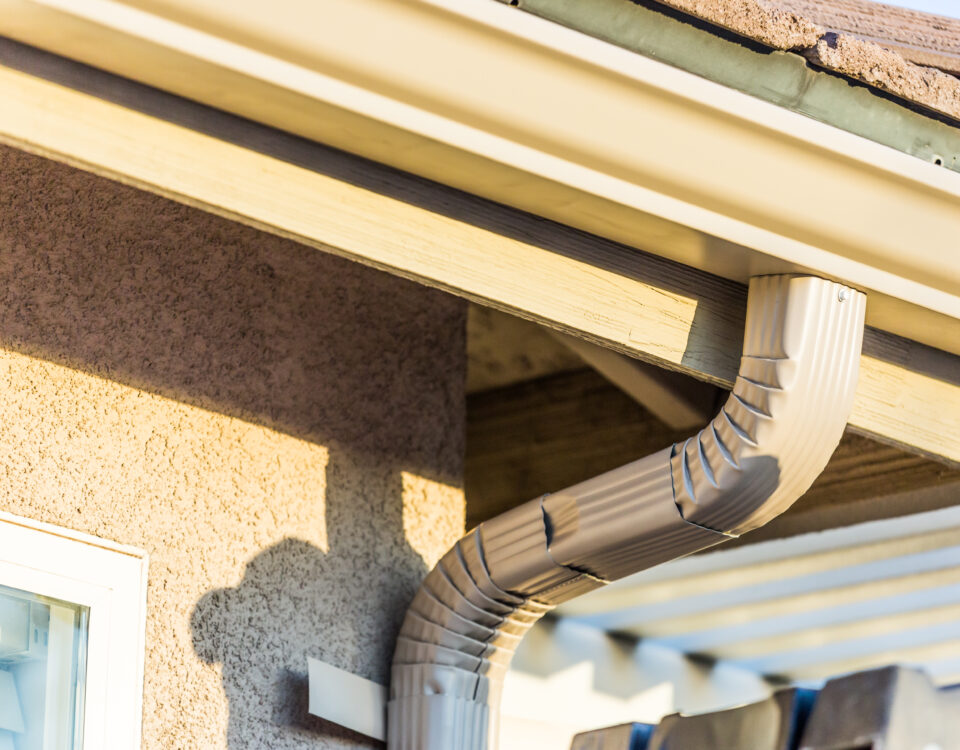
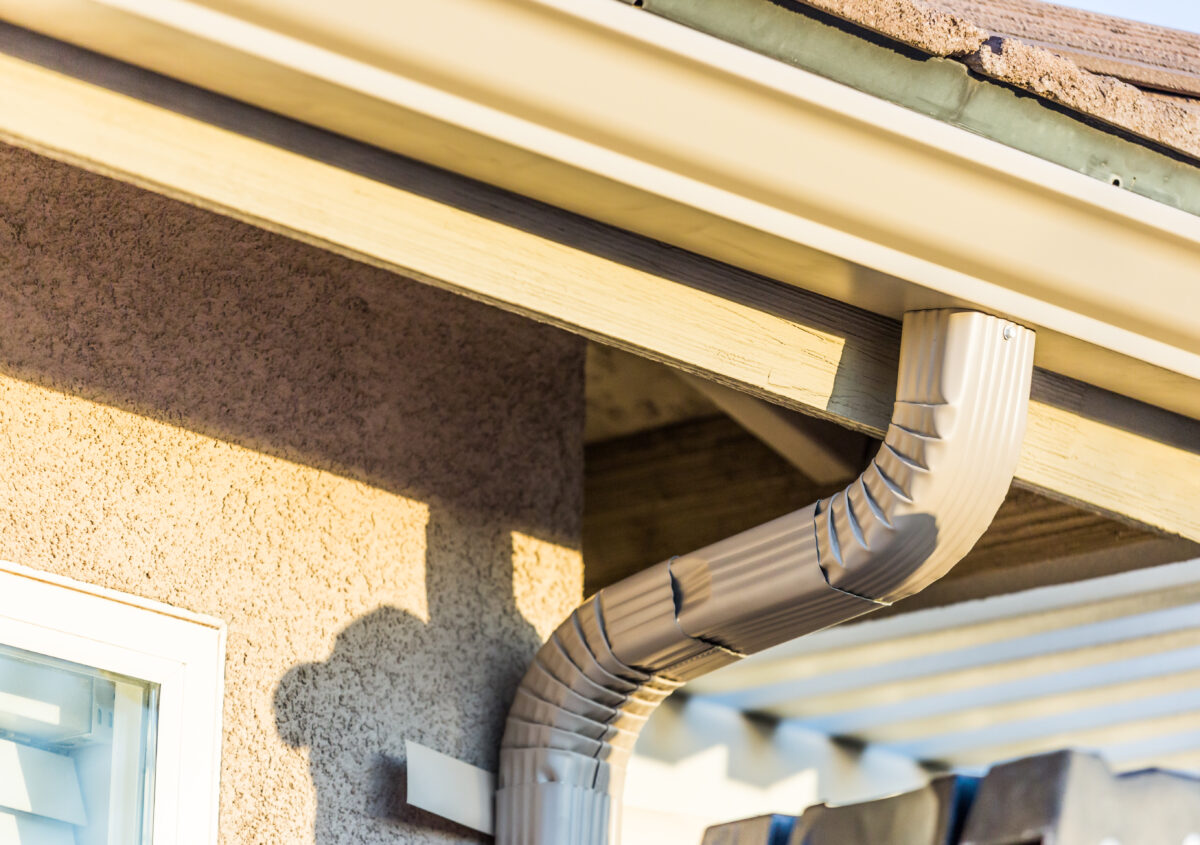
Many homeowners overlook their gutters, but they're an essential part of protecting the roof.
When gutters become clogged with leaves, sticks, and debris, rainwater cannot drain properly. Water may back up beneath shingles or overflow near your home's foundation, increasing the risk of leaks and water damage.
Cleaning your gutters before Hurricane Season helps direct rainwater away from your roof and home more effectively.
The Federal Emergency Management Agency (FEMA) recommends maintaining gutters and drainage systems as part of hurricane preparedness for homeowners.
Can trimming nearby trees help protect your roof?
Absolutely.
Overhanging branches can scrape roofing materials during high winds, while weak limbs may break and fall onto your home during a storm. Trimming trees that hang over your roof reduces the chance of impact damage and helps minimize debris accumulation in your gutters.
It's also a good opportunity to remove dead or unhealthy branches that could become dangerous during severe weather.
Is it worth repairing small roof problems before a hurricane?
Yes. Small issues often become major problems during Hurricane Season.
A single loose shingle or a small leak may seem minor during normal weather, but heavy rain and strong winds can quickly turn those weaknesses into significant roof damage. Addressing repairs before storms arrive is one of the smartest investments homeowners can make.
Professional roof repair services can strengthen vulnerable areas and help your roof better withstand severe weather.
What should homeowners do after a major storm?
After the storm has safely passed, inspect your property from the ground for visible signs of damage. Look for missing shingles, fallen branches, damaged gutters, or debris on the roof.
Avoid climbing onto the roof yourself, especially if damage is suspected. Instead, schedule a professional inspection to identify both visible and hidden damage before leaks develop.
The National Weather Service also encourages homeowners to remain cautious around storm-damaged structures and to assess property safely after severe weather.
What is the best way to prepare your roof for Hurricane Season?
The best approach is to prepare before severe weather is in the forecast. Scheduling a professional inspection, completing necessary repairs, cleaning gutters, trimming nearby trees, and monitoring your roof's condition throughout the year can greatly reduce your risk of storm damage.
If you're preparing your home for Hurricane Season, don't wait until the first hurricane warning is issued. Working with an experienced roofing contractor today can help ensure your roof is ready to protect your family and your home when severe weather arrives.