

Metal Roof vs. Asphalt Shingles: Which Roofing Material Should You Choose?
How Do Gutters Protect Your Roof and Foundation?
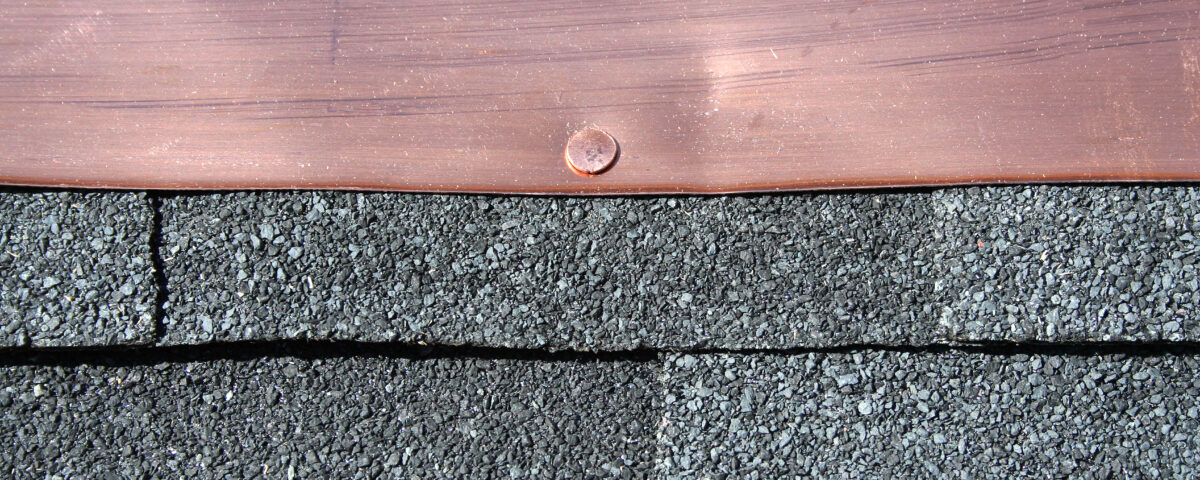
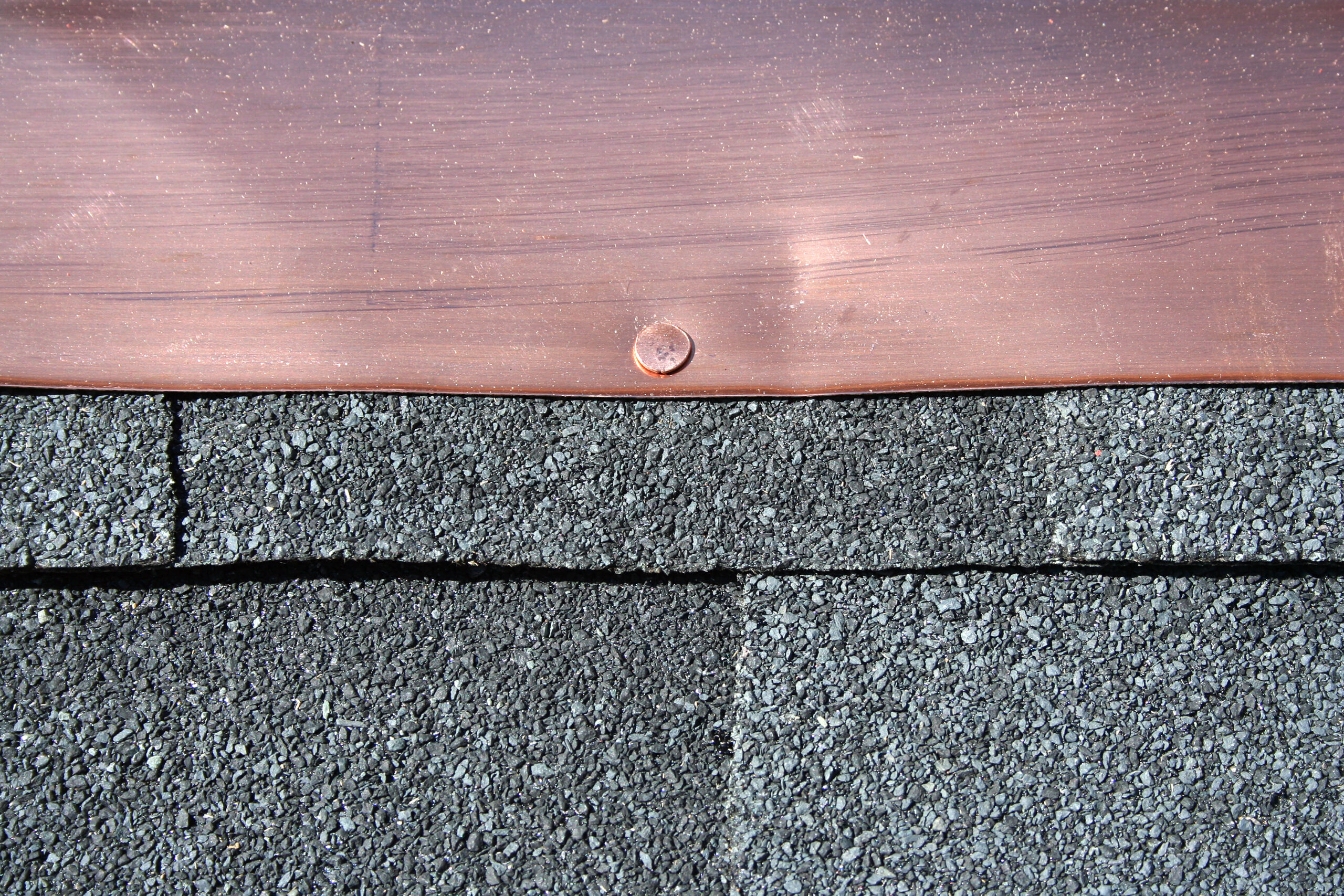
Roof flashing is a thin, water-resistant material placed around joints and openings in a roof. Its job is simple; it guides rain away from areas where water may enter.
You will often find flashing near chimneys, vents, skylights, walls, and roof valleys. When it is fitted and sealed well, it helps keep the roof deck and indoor space dry. When it bends, cracks, or pulls loose, leaks can form.
Here is what homeowners and property managers should know about roof flashing.
Where is roof flashing installed?
Flashing is used where the main roof surface meets another part of the building. These areas are harder to seal with shingles or panels alone; water may collect, change direction, or flow against a joint.
Step flashing is placed where a sloped roof meets a wall, such as the side of a dormer. Chimney flashing helps seal the space where a chimney passes through the roof. Pipe boots and vent flashing protect smaller openings.
The U.S. Department of Energy’s Building Science Education site explains how step flashing at roof-wall joints helps move water toward the gutters and away from the wall.
Why does roof flashing fail?
Flashing faces years of sun, rain, wind, and changing temperatures. Metal may bend or corrode; sealant may dry out and split. Strong storms can also loosen flashing or damage the roofing material around it.
Poor installation is another common cause. Flashing pieces must overlap in the right direction, so water flows down and away from the building. Gaps or reversed layers can guide water beneath the roof surface.
Work by another trade can also affect flashing. A new vent, satellite dish, or HVAC part may create a fresh opening that needs the right seal.
Flashing protects the places where roofs are most open to leaks; a small gap can let water reach a much larger area.
What are the signs of damaged roof flashing?
A water stain near a chimney or outside wall may point to failed flashing. Peeling paint, damp drywall, or a musty smell can also signal that water has entered the building.
From the ground, you may see bent metal or loose material near a roof opening. Rust can be another warning. Yet flashing damage is often hard to confirm without a close inspection.
Water may travel along the roof deck before it drips into a room. The stain inside may not sit below the true leak. A professional roofer can trace the water path and check nearby roof parts.
If heat or moisture has made a hidden issue worse, Gaston Roofing’s guide to roof problems in hot weather may help you spot other warning signs.
Can damaged flashing be repaired?
Yes, in many cases. A roofer may replace a small piece of flashing, renew failed sealant, or reset loose material. The best repair depends on the type of flashing and the state of the roof around it.
Covering the area with a thick layer of caulk is rarely a sound long-term fix. The flashing must still direct water across the roof surface. If the material is bent or installed the wrong way, sealant alone may not stop the leak.
Gaston Roofing offers roof repair and replacement services for homes and commercial properties across Gastonia, Charlotte, and nearby communities. A free inspection can show whether the trouble is limited to flashing or linked to a wider roof issue.
Should flashing be replaced with a new roof?
Flashing should always be checked during roof replacement. Some pieces may still be sound; others may need to be replaced so they fit the new roofing system.
This is also the right time to inspect the roof deck near chimneys, vents, and walls. If past leaks caused soft wood or rot, those areas need care before new material is installed.
Building Science Corporation notes that proper flashing details direct water downward and outward, away from the building.
Frequently Asked Questions
Can roof flashing leak even when the shingles look fine?
Yes. The main roof surface may look sound while flashing has a gap, failed seal, or hidden bend.
How long does roof flashing last?
Its service life depends on the material, installation, weather, and nearby roof conditions. Routine checks help find wear early.
Is loose flashing an urgent problem?
It should be checked soon. Loose flashing can let rain reach the roof deck or wall, even before an indoor stain appears.