
Could Clogged Gutters Be Damaging Your Roof?

What to Do If You Discover a Roof Leak Over the Holidays
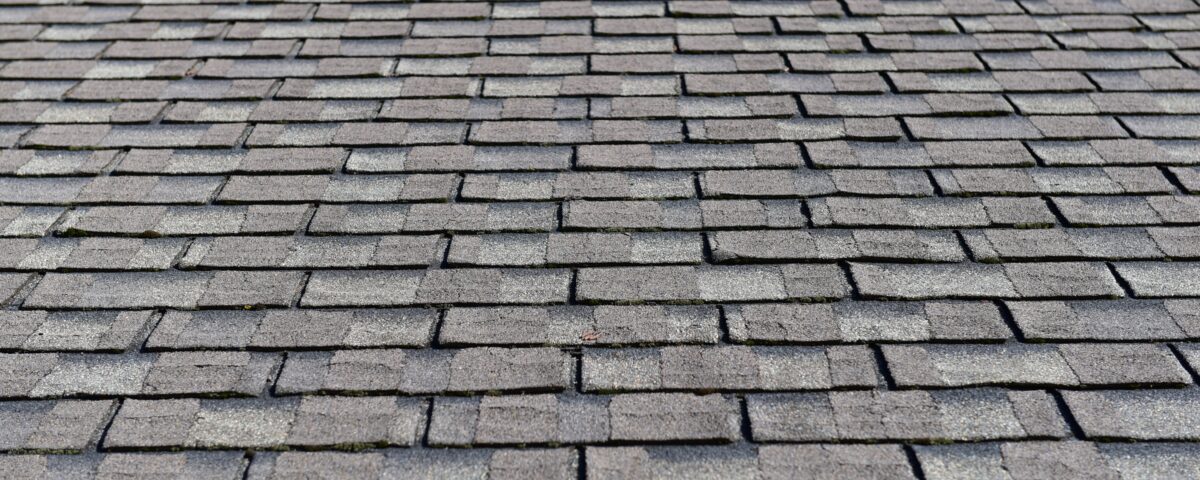
A shingle lying in your yard can stop you in your tracks. Raised edges are easier to overlook, yet they deserve attention, too. Changes in asphalt shingles can reflect normal aging or damage that needs repair. For Gaston County homeowners, the next step is finding the cause before choosing a fix.
Why do asphalt shingles start curling?
Shingles may curl as asphalt ages and shrinks, causing their edges to lift. Sun exposure plays a role; roofs weather at different rates, so age alone cannot explain every change.
TAMKO’s guide to shingle aging explains that slight curling can occur as shingles grow older. That does not mean every curled edge is harmless. A roofer should assess how much the shingles have changed and whether they still shed water well.
Are cracks always a sign of roof failure?
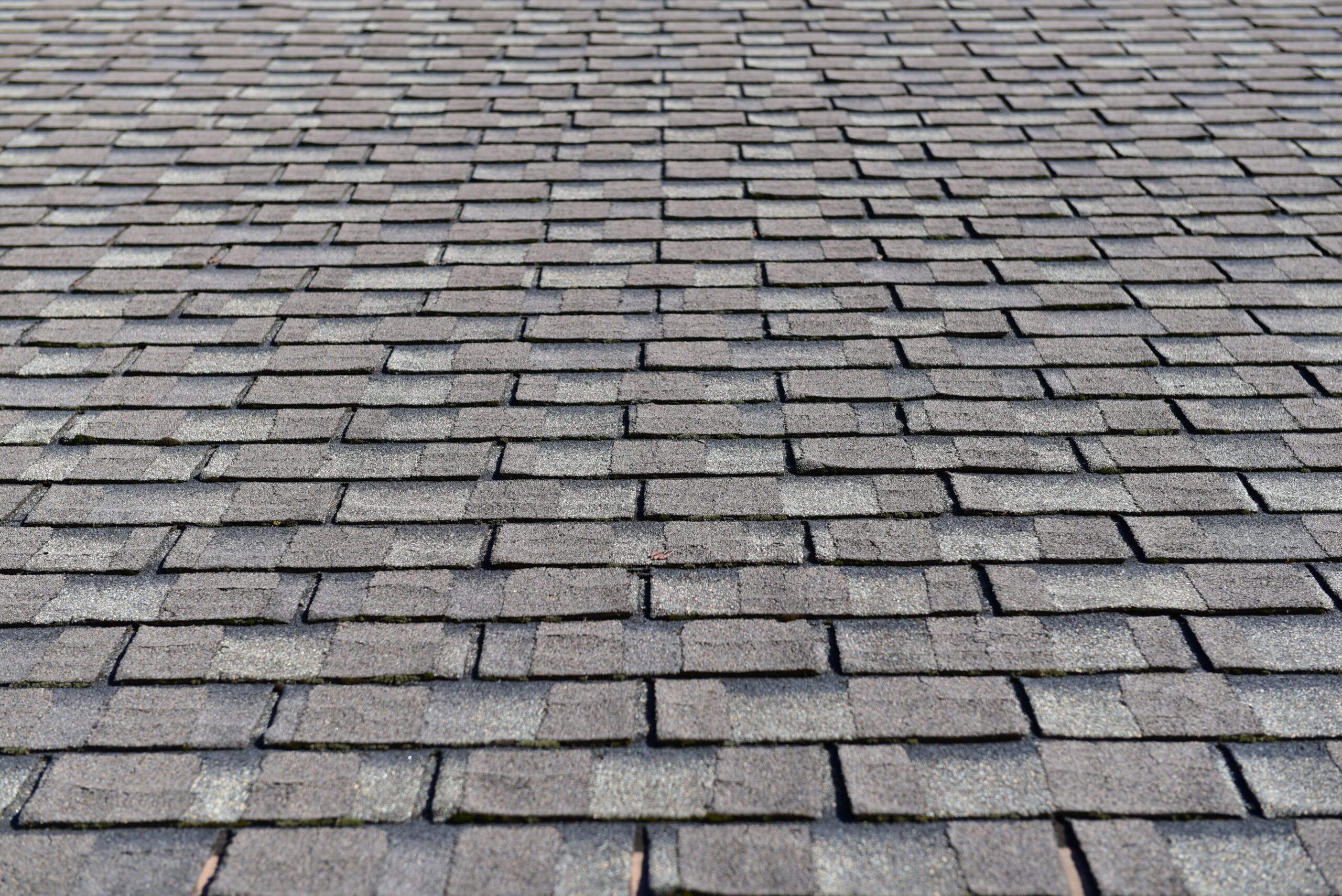
No. Fine surface cracks can form as shingles weather. TAMKO distinguishes these marks from cracks that pass through the shingle; the depth of the damage matters.
From the ground, you may struggle to tell the difference. Avoid climbing onto the roof to examine a crack yourself. Ask a roofer to document the affected areas with photos and explain whether the damage affects the roof’s ability to keep rain out.
Could raised shingles point to a problem underneath?
Yes. What looks like curling may actually be buckling, where shingles rise because the layers beneath them have shifted.
The Asphalt Roofing Manufacturers Association’s guidance on buckled shingles links this issue to wrinkled underlayment or movement in the roof decking. Moisture can cause wood decking to swell; poor attic airflow may contribute to that movement.
Gaston Roofing’s post on roof ventilation explains why conditions beneath the roof deserve attention. Replacing a raised shingle without addressing the cause may leave the problem unresolved. Asphalt Roofing Manufacturers Association (ARMA)
A changed shingle is a clue; the right repair starts with learning why it changed.
Why do shingles come loose after windy weather?
Strong wind can lift shingle edges and damage the bonds that help hold them down. Shingles may crease or tear away, leaving the roof more exposed to rain.
How the roof was installed also matters. Poor fastening can leave shingles less secure; a roofer should check the surrounding area rather than replace only the piece found in your yard.
Tell your roofer when you first noticed the change. Photos taken after a storm can help show what happened, though they cannot establish the cause by themselves.
Do damaged shingles need repair or replacement?
A small damaged area may need a focused repair if the rest of the roof remains sound. Widespread wear may make replacement worth discussing.
Ask for findings that support the recommendation. Gaston Roofing’s guide to roof repair or replacement can help you prepare questions.
Residential roofing services should give you a clear scope of work and price. Find out whether the proposed repair addresses damage beneath the shingles, too.
FAQ
Can you flatten curled shingles yourself?
Avoid forcing them flat. Aged shingles may crack when bent; a roofer can assess whether they need replacement or another approved repair.
Can new shingles buckle?
Yes. Buckling can stem from decking movement or wrinkles beneath new shingles. Contact the installer and request an assessment of the cause.
Should you wait for a leak before calling?
No. Missing shingles or changes that spread deserve a roof check before indoor damage appears. A dry ceiling does not confirm that every roof layer is sound.
Concerned about your shingles? Call Gaston Roofing at 704-861-8166 to discuss a roof inspection.