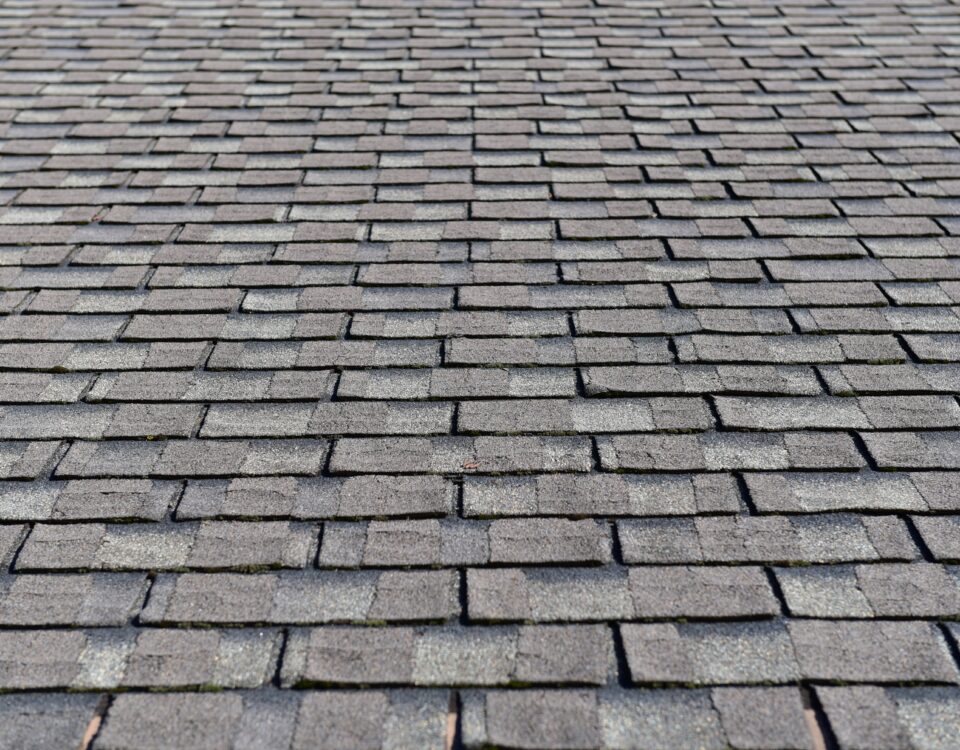

Why Are Your Shingles Curling, Cracking, or Coming Loose?

A roof leak can put holiday plans on hold fast. Whether you spot a ceiling stain while hanging decorations or hear dripping during dinner, it helps to know what to do next. For Gaston County homeowners, prompt action can limit water damage; safe steps indoors give you time to arrange the right repair.
What should you do first when you find a roof leak?
Move belongings away from the wet area; place a bucket beneath drips if you can do so safely. Keep guests and pets clear of slippery floors.
If the ceiling bulges or sags, leave that part of the room. Do not stand beneath it or try to puncture the drywall. Call a roofer promptly, and describe any signs that the damage is getting worse.

What if water is near a light fixture or outlet?
Stay away from wet electrical fixtures; do not touch nearby switches. Water entering through a ceiling can reach wiring hidden from view.
Follow electrical safety guidance: never touch wet electrical equipment or use it while standing in water. Shut off the affected circuit only if you can safely reach a dry panel. If access is unsafe, keep clear and seek qualified help.
Should you try to patch the roof yourself?
No. Wet shingles can be slippery, and short winter days leave less light for safe access. Keep ladders stored while you arrange professional help.
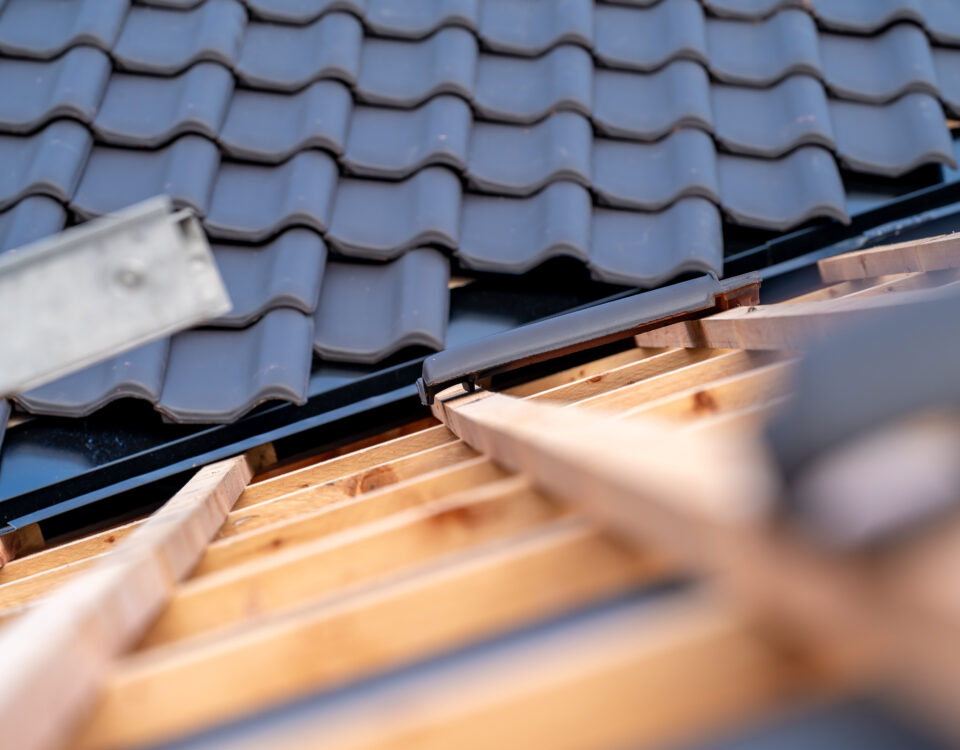
Ask whether temporary protection is needed before permanent repairs can begin. A roofer may recommend a tarp; placement depends on the damage and weather conditions.
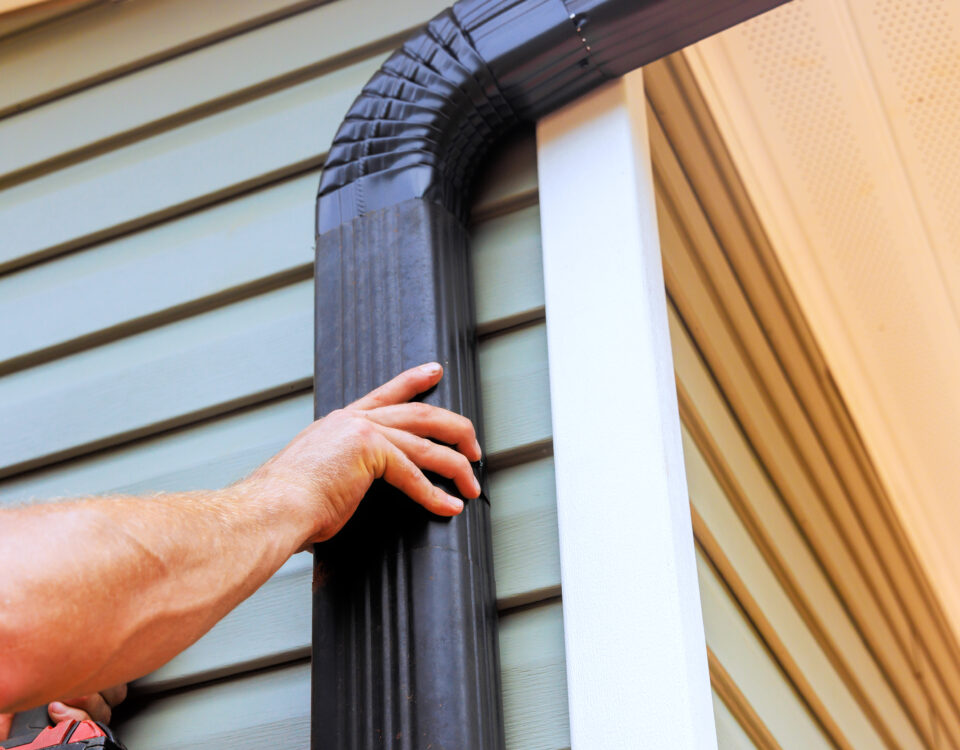
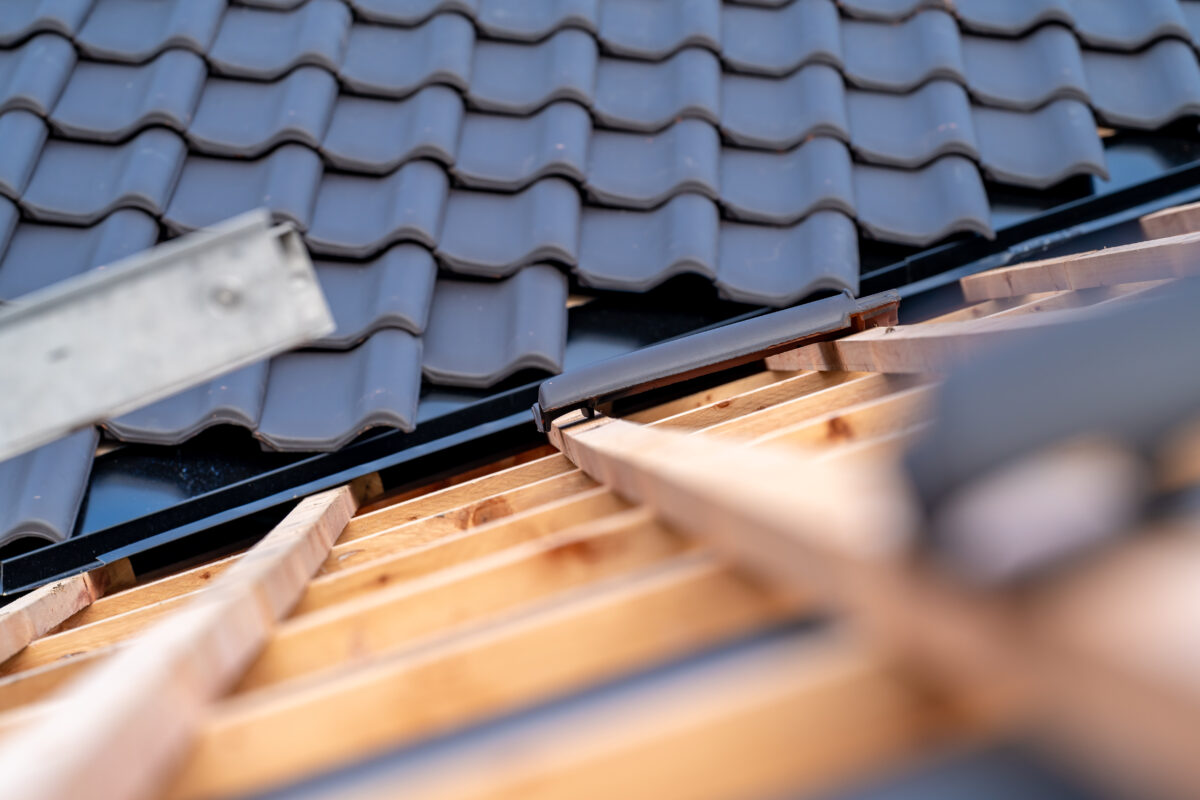
Smearing caulk over a suspected leak can miss the source. Damaged roof flashing, for example, may need proper repair to direct rain away from roof joints.
Protect what you can safely reach; leave roof access and temporary roof coverings to a qualified professional.
What information should you share when you call?
Tell the roofer when the leak began and whether water is still coming in. Mention ceiling sagging right away.
Take clear photos from a safe spot; record how the wet area changes during rain. Ask about holiday availability and whether temporary work is possible before a full repair.
Residential roofing services should address the entry point, rather than simply cover the visible damage. Water can travel along framing; the ceiling stain may sit far from the roof defect.
How quickly should you address wet materials?
Start safe drying once electrical hazards have been addressed. The EPA recommends drying water-damaged areas and items within 24 to 48 hours to help prevent mold growth.
Soaked insulation or damaged drywall may need professional care. A dry surface does not prove the space behind it is dry.
Watch for other indoor signs of a roof leak, including stains that spread after rain. Report changes to your roofer.
Need help with a holiday roof leak? Call or text Gaston Roofing at 704-861-8166 to discuss availability and the next step for your home.
FAQ
Does a leak still need repair if the dripping stops?
Yes. Dry weather can stop visible dripping while the entry point remains open. Have the source checked before the next storm.
Does one roof leak mean you need a new roof?
No. A small damaged area may allow a focused repair. Ask your roofer how the roof’s overall condition affects that choice.
When can you repaint a stained ceiling?
Wait until the leak is fixed and affected materials are fully dry. Damaged drywall may need replacement; paint alone cannot restore it or prevent another stain.