

Before You Buy the House, Look Up: What Is the Roof Trying to Tell You?
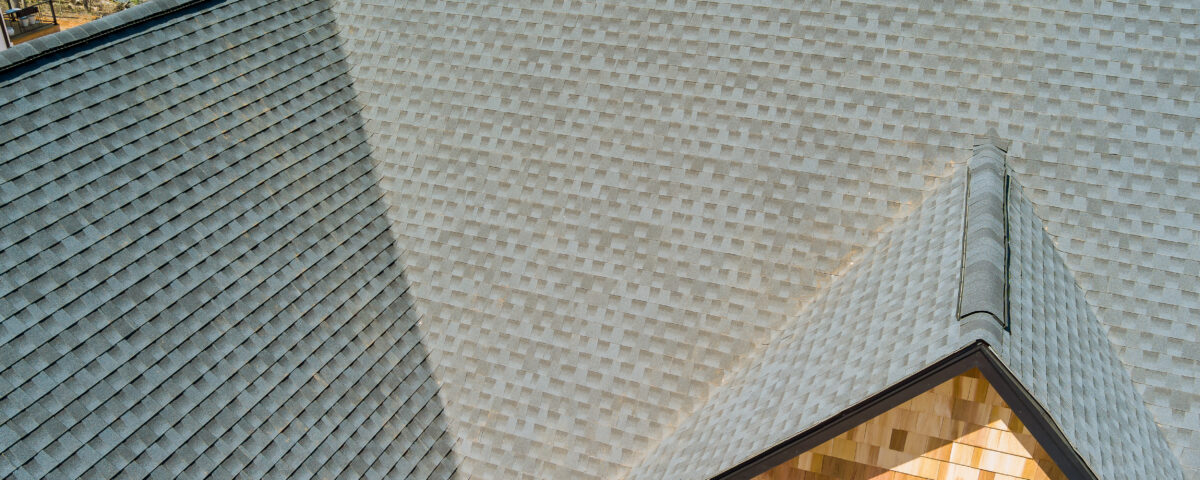
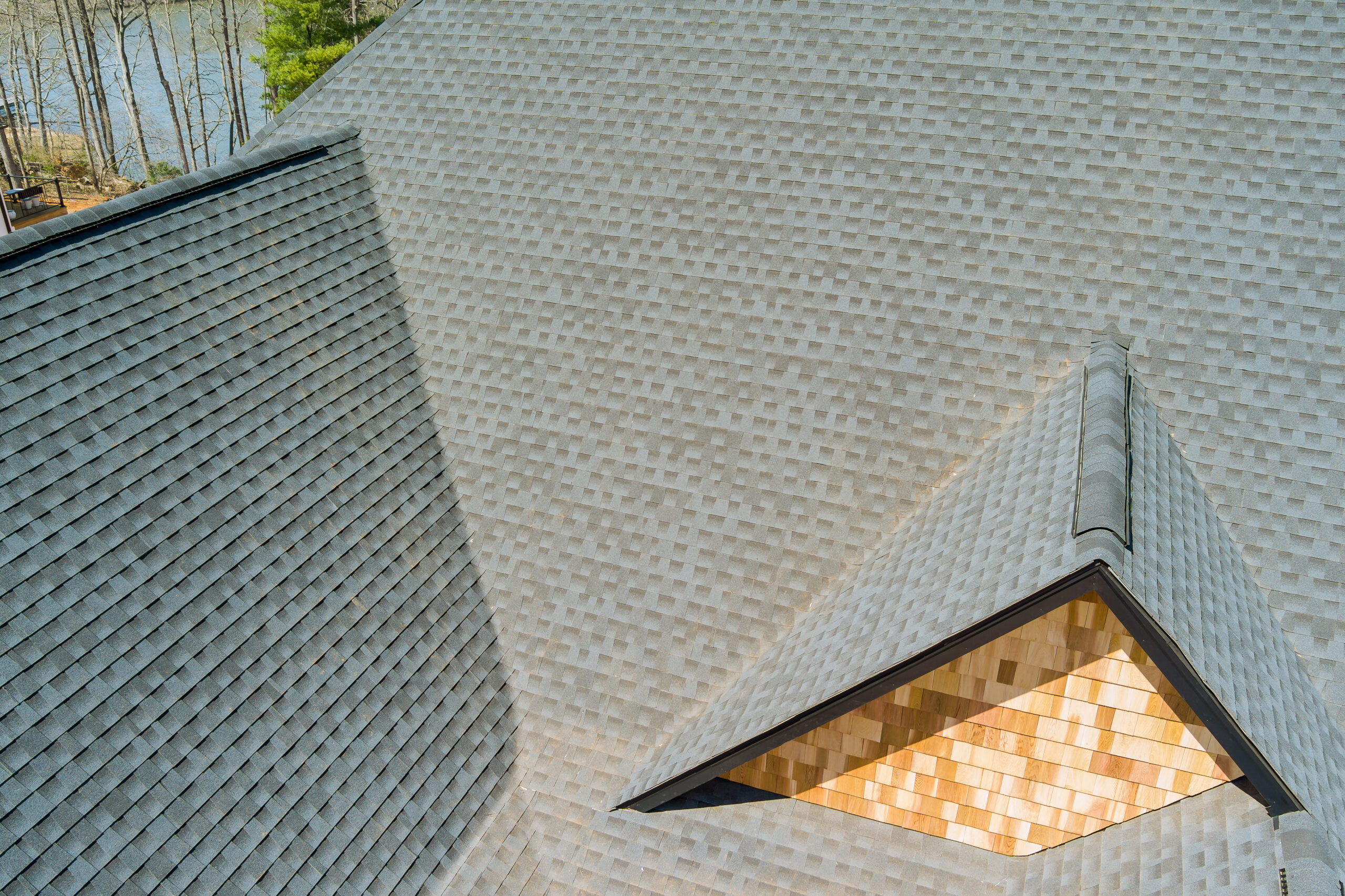
Shingles may be the part of your roof you see, but they do not work alone. Beneath them sits a planned system built to shed rain, support the outer surface, and help manage heat or moisture.
Each layer has a job. If one part fails, water may reach the next layer and move toward the home. Understanding what lies beneath your shingles can help you ask better questions when it is time for repair or replacement.
What supports the entire roofing system?
The roof deck forms the base of the system. It is usually made from plywood or oriented strand board, often called OSB. The deck attaches to the roof framing; the remaining roofing materials are installed over it.
A sound deck should feel firm. Long-term leaks may cause wood to soften, swell, or rot. Those weak areas may stay hidden until old shingles are removed.
During a roof replacement, the crew should inspect the exposed decking. Damaged sections need to be replaced before new material goes on. Installing shingles over weak wood can affect fastener hold and the finished surface.
What is roofing underlayment?
Underlayment is a layer placed between the roof deck and the shingles. It provides added protection if water moves beneath the outer roofing material.
Modern underlayment may be synthetic or made from felt. Product choice can depend on the roof type, slope, and installation plan. Some areas may also need a self-adhered water barrier, such as along valleys or roof edges.
Owens Corning provides roofing installation guidance for shingles, underlayment, water barriers, and related parts. Each product must be installed to its own written steps.
A reliable roof is built layer by layer; the parts you cannot see matter as much as the surface you can.
What protects the edges and other weak points?
Roof edges face strong wind pressure and heavy water flow. Starter shingles help seal the first row and hold the edge of the shingle field in place.
Water barriers may also be used near eaves or other high-risk areas. The U.S. Department of Energy’s Building Science Education site explains why roof-edge underlayment can help resist wind and rain in exposed areas.
Flashing protects joints around chimneys, vents, walls, and valleys. These parts guide water back onto the roof surface. If the flashing is bent or poorly fitted, a sound shingle roof may still leak.
How do shingles complete the system?
Shingles form the roof’s visible outer layer. They overlap so rain flows toward the gutters. Each row must be placed and fastened with care; poor spacing or exposed fasteners can create weak points.
Shingle choice affects the look of the home, yet installation quality shapes how the product performs. Color and profile matter; correct starter rows, flashing, and ridge caps matter too.
Gaston Roofing installs shingle, metal, and rubber roofing systems for homes and commercial properties across Gastonia, Charlotte, and nearby communities.
Where does roof ventilation fit?
Ventilation helps move excess heat and moisture out of the attic. Intake vents allow air to enter near the eaves; exhaust vents release warm air near the top of the roof.
The vent system works alongside insulation and air sealing. Blocked intake vents can limit airflow, while poor exhaust can trap hot or damp air.
Read Gaston Roofing’s guide to proper roof ventilation to learn how airflow can affect shingles, attic moisture, and home comfort.
What should you ask before a roof installation?
Ask the contractor which layers are included in the quote and how damaged decking will be handled. Review the shingle line, underlayment, flashing plan, and warranty terms.
Gaston Roofing begins with a free inspection. The team explains its findings, prepares a clear quote, and reviews material choices before work begins. Once the roof is installed, the crew cleans the site and completes a final check.
Frequently Asked Questions
Can roof decking be repaired without replacing every shingle?
Sometimes. Access depends on where the damaged deck sits and how broad the problem is. A roofer should inspect it first.
Is underlayment visible after installation?
No. It is covered by shingles or another roof surface. Photos taken during the project can document the installed layer.
Do metal roofs have layers beneath them too?
Yes. Metal roofing still needs a sound deck and the right underlayment. The full design depends on the panel system and building.