

Commercial and Residential Roofing Services: What Property Owners Should Know
Metal Roof vs. Asphalt Shingles: Which Roofing Material Should You Choose?
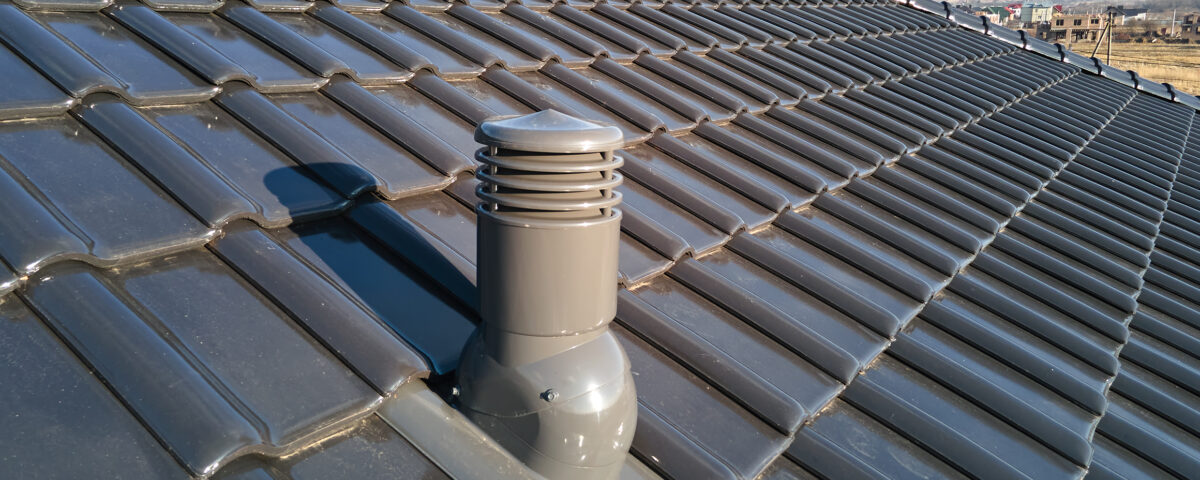
Roof ventilation lets air move through the attic; it pushes excess heat and moisture outside. A balanced system can help protect roof materials, keep insulation dry, and ease strain on the home during hot North Carolina summers.
Yet many homeowners do not think about vents until a problem appears. Here is how roof ventilation works, why it matters, and when your system may need help.
What is roof ventilation?
Roof ventilation is a system of intake and exhaust vents. Intake vents, often placed near the soffits, let fresh air enter beneath the roof. Exhaust vents, such as ridge vents, let warm air leave near the roof’s peak.
Both sides must work together. If air can enter but has no clear exit, heat may remain trapped. If the system lacks enough intake air, the exhaust vents cannot work as planned.
Gaston Roofing offers roof ventilation system installation for residential properties across Gastonia, Charlotte, and nearby areas.
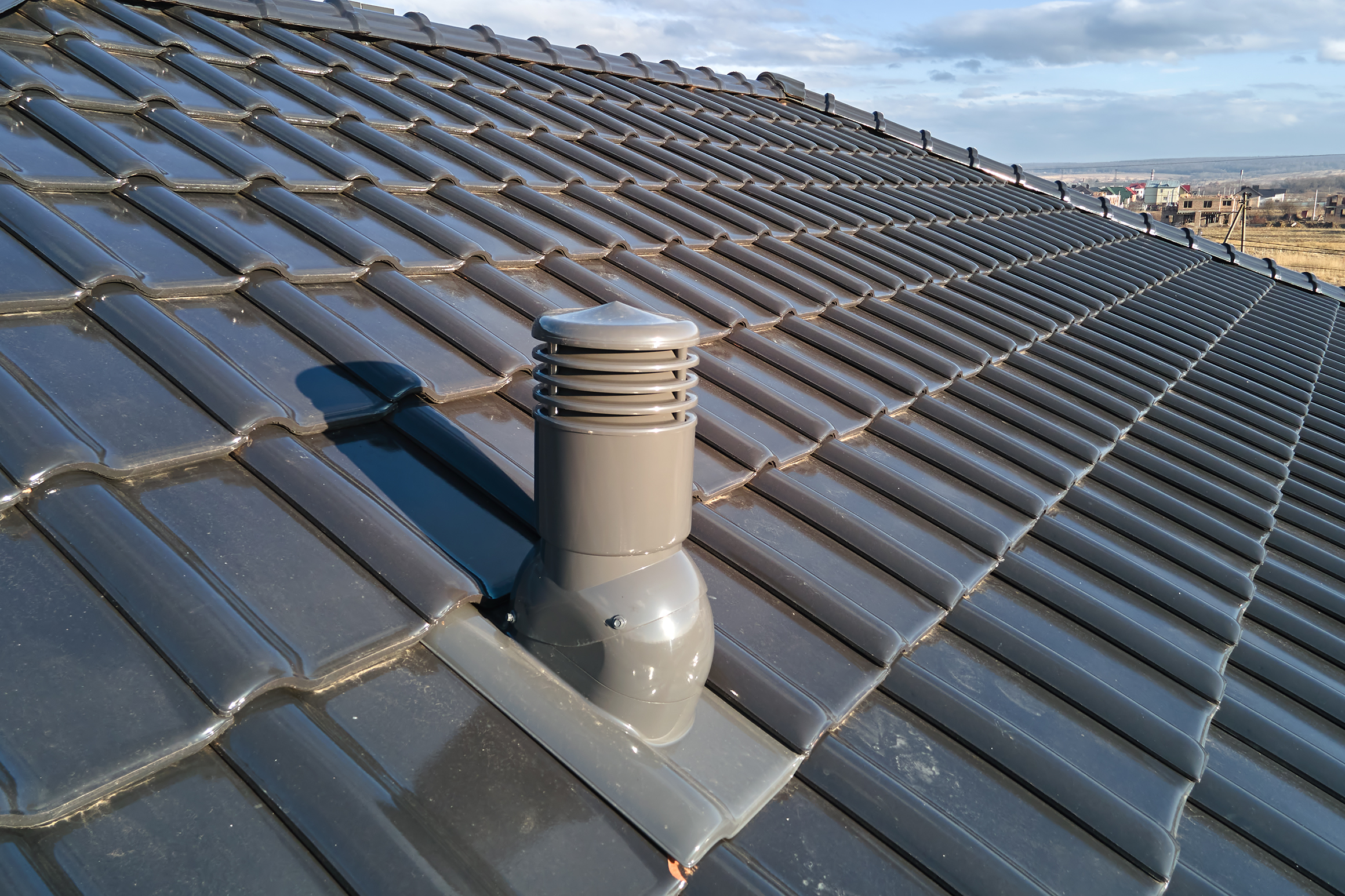
Why does attic ventilation matter in summer?
Sunlight heats the roof; that heat can move into the attic. Without steady airflow, attic temperatures may climb. The trapped heat can place added stress on shingles and make upper rooms harder to cool.
Proper ventilation moves hot air out. Insulation then has a better chance to slow heat transfer into the living space. ENERGY STAR explains that natural attic ventilation can help remove overheated air while limiting moisture.
Ventilation alone will not solve every comfort issue. Air sealing and insulation also shape how a home handles heat. These parts should work as one system.
A balanced roof ventilation system helps your attic breathe; it gives heat and damp air a clear path out.
Can poor ventilation cause moisture damage?
Yes. Warm, damp air from the home can rise into the attic. When that air meets a cooler surface, condensation may form. Over time, excess moisture can harm insulation, stain wood, and raise the risk of mold.
The U.S. Department of Energy’s guide to durable attics notes that poor ventilation can allow moisture to build up, damage wood, and reduce the value of insulation.
Bathroom fans and kitchen vents should release air outdoors. Sending damp air into the attic adds moisture where it does not belong.
What are the signs of poor roof ventilation?
Common signs include a very hot attic, damp insulation, musty odors, and rust on metal fasteners. You may also see warped roof decking or early shingle wear.
Blocked soffit vents are another concern. Insulation can shift over time and cover the vent openings; this stops fresh air from entering. Damaged vent covers may also let pests or wind-driven rain reach the attic.
Some symptoms may point to a roof leak instead. Gaston Roofing’s guide to hidden roof problems during hot weather can help you spot other issues that call for a closer look.
How is a roof ventilation problem fixed?
A roofing contractor should first inspect the current vent layout, attic conditions, and roof design. The goal is balanced airflow; adding a powered fan without checking the full system may cause new issues.
The right fix may involve clearing blocked intake vents or adding ridge vents. A roofer may also suggest baffles to keep insulation away from the eaves. Each home is different, so the plan should fit the roof.
Frequently Asked Questions
Does every home need the same amount of roof ventilation?
No. Vent needs depend on attic size, roof shape, insulation, and local code. A professional inspection can help find the right balance.
Will a new roof include updated ventilation?
It can. Roof replacement is a good time to review the vent system; needed changes can be built into the installation plan.
Can I inspect roof vents from the ground?
You may spot cracked or missing covers from a safe distance. A full check should be left to a roofing professional; climbing onto a roof carries real risk.